
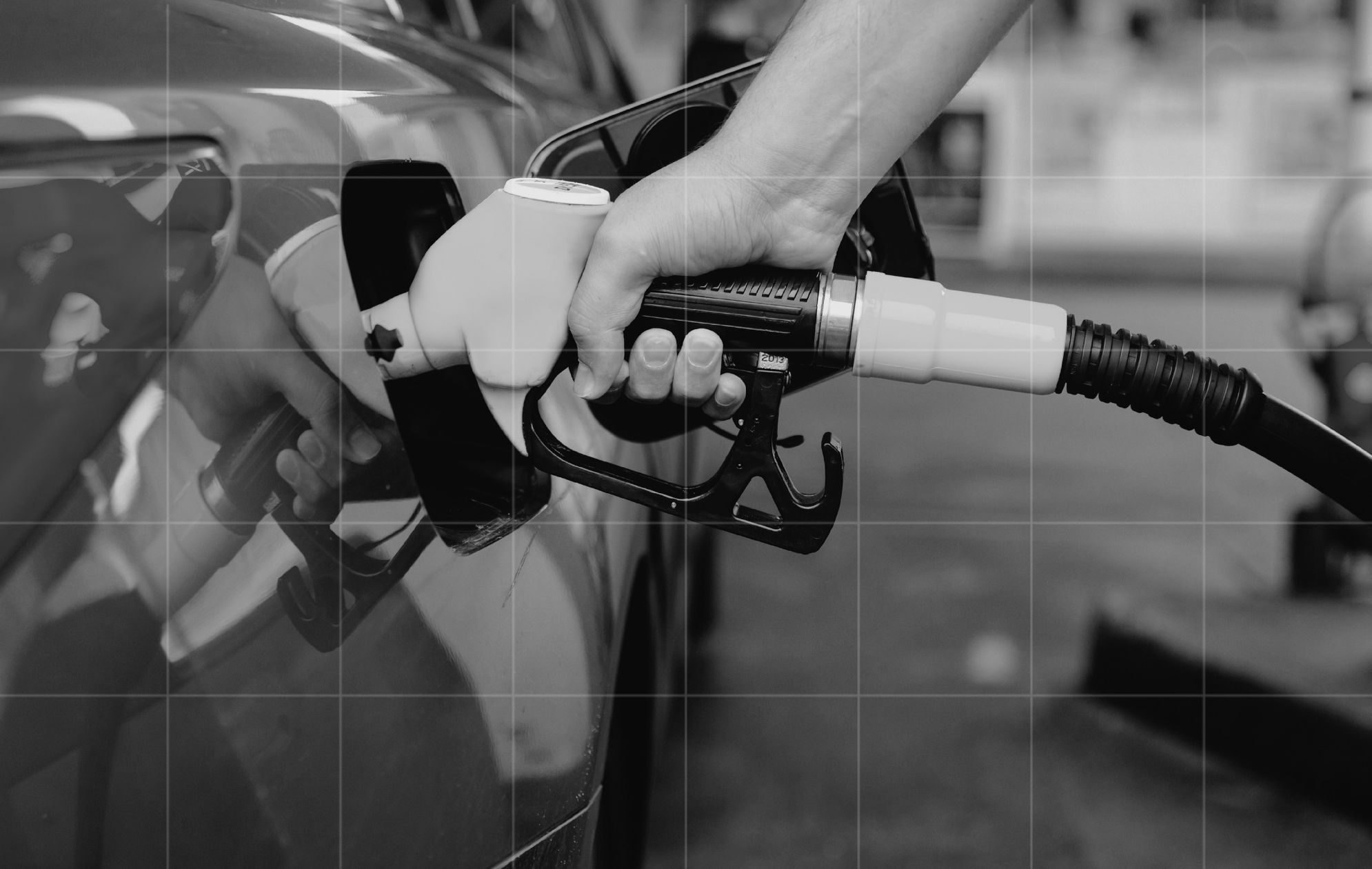
Fill up a work ute these days and you feel it immediately. But the real cost of fuel for most small businesses isn’t just at the bowser - it’s the cascade effect that flows through almost every part of how you operate.
Freight costs more. Suppliers pass their transport costs on. Contractors charge more to get to site. Materials arrive later because logistics chains are stretched. And if your own vehicles or equipment run on diesel, the bill just keeps climbing.
For a lot of Queensland businesses - trades, transport, agriculture, construction - fuel isn’t a minor line item. It’s a significant operating cost, and right now it’s one of the harder ones to control.
The temporary fuel excise cut: what it means for your BAS
The Australian Government introduced a temporary reduction in fuel excise from 1 April to 30 June 2026. The ATO has confirmed that excise rates for petrol, diesel and most fuel products (excluding aviation fuels) have been reduced by 60.9% for that three-month window.
For business owners, the timing matters. Different fuel tax credit rates apply before and after 1 April 2026 - which means you need to use the right rate based on when you actually acquired the fuel, not when you lodged your BAS.
If you’re claiming fuel tax credits and you have fuel purchases that straddle the 1 April date, get this right before you lodge. Using the wrong rate - in either direction - creates problems.
For business owners, the timing matters. Different fuel tax credit rates apply before and after 1 April 2026 - which means you need to use the right rate based on when you actually acquired the fuel, not when you lodged your BAS.
If you’re not sure which rate applies to your purchases, this is worth a quick conversation with your advisor before your next BAS is due.
Are you actually claiming fuel tax credits?
This one surprises a lot of business owners. Fuel tax credits allow eligible businesses to claim back part of the tax included in the price of fuel used for business purposes. It’s not a rebate - it’s a credit that reduces your net BAS liability and goes straight to your cash flow.
Eligible uses generally include:
- Fuel used in plant and equipment (generators, pumps, forklifts, machinery)
- Off-road activities, including agriculture and mining
- Heavy vehicles over 4.5 tonnes travelling on public roads, with specific rate rules
- Some light vehicle use in certain off-road circumstances
The rules aren’t simple, which is probably why a meaningful number of businesses either don’t claim at all or consistently underclaim. If you’re running equipment, heavy vehicles or operating in an eligible industry and you haven’t reviewed your f recently, there may be money sitting unclaimed.
The ATO fuel payment plan - if cash flow is tight right now
For businesses that are genuinely feeling the pinch from fuel costs, the ATO has made a temporary fuel response payment plan available. The key terms: no upfront payment required, 36 equal monthly instalments over three years, and potential remission of general interest charges if you meet the conditions.
Important: this isn’t automatic. You need to apply, meet the eligibility requirements, and have your lodgments and payments in order. The application window closes 30 June 2026.
If this is relevant to your situation, the way you approach the ATO matters. A well-prepared application, with the right financial context, gives you a much better chance of a good outcome than going in cold.
What smart businesses are doing right now
The businesses we’re working with that are managing this period well are doing a few things consistently:
- They know their fuel spend as a percentage of revenue, not just as a dollar figure. That ratio tells you a lot about exposure.
- They’ve reviewed their fuel tax credit claims and made sure the rates are correct for the new excise period.
- They’re looking at job profitability on fuel-heavy work - particularly fixed-price contracts that were priced when fuel was cheaper.
- They’ve had the pricing conversation. If your cost base has moved, your pricing needs to reflect that.
- They’re using forecasts to see what the next 3–6 months looks like if fuel stays elevated, so decisions aren’t reactive.
None of this is complicated. But it does require actually sitting down with the numbers rather than absorbing the cost and hoping things improve.
The bottom line
Fuel price relief from the government is welcome, but it’s temporary and partial. It doesn’t change the underlying cost reality most businesses are operating in. What it does do is create a short window to get your claims right, review your position, and make sure you’re not leaving cash on the table.
If you want to check your fuel tax credit position, understand how the new excise rates affect your BAS, or get a clearer picture of how fuel costs are affecting your margins - that’s exactly what we’re here for.
Talk to the Trekk Advisory team before 30 June 2026 - some of these windows don’t reopen.